






As industries and enterprises seek reliable, high-performance wireless connectivity, two key technologies emerge as dominant contenders: Private 5G and Wi-Fi. While both offer wireless communication, they serve different use cases, have distinct advantages,...

While Wi-Fi and cellular networks dominate wireless communication, numerous other wireless technologies play crucial roles in modern connectivity. These technologies enable communication for industrial automation, IoT devices, satellite communications,...

Cellular communication has transformed over the decades, evolving from basic voice services to high-speed data networks powering global connectivity. The transition from 2G to 5G and the upcoming advancements beyond 5G have revolutionized industries,...

Wi-Fi technology continues to evolve rapidly, bringing faster speeds, lower latency, and improved security to users worldwide. As connectivity demands increase with the rise of smart homes, IoT devices, and industrial applications, new advancements in...

What is MQTT?
MQTT (Message Queuing Telemetry Transport) is a lightweight messaging protocol designed for efficient communication between devices, particularly in environments with low bandwidth, high latency, or unreliable networks. It operates on...
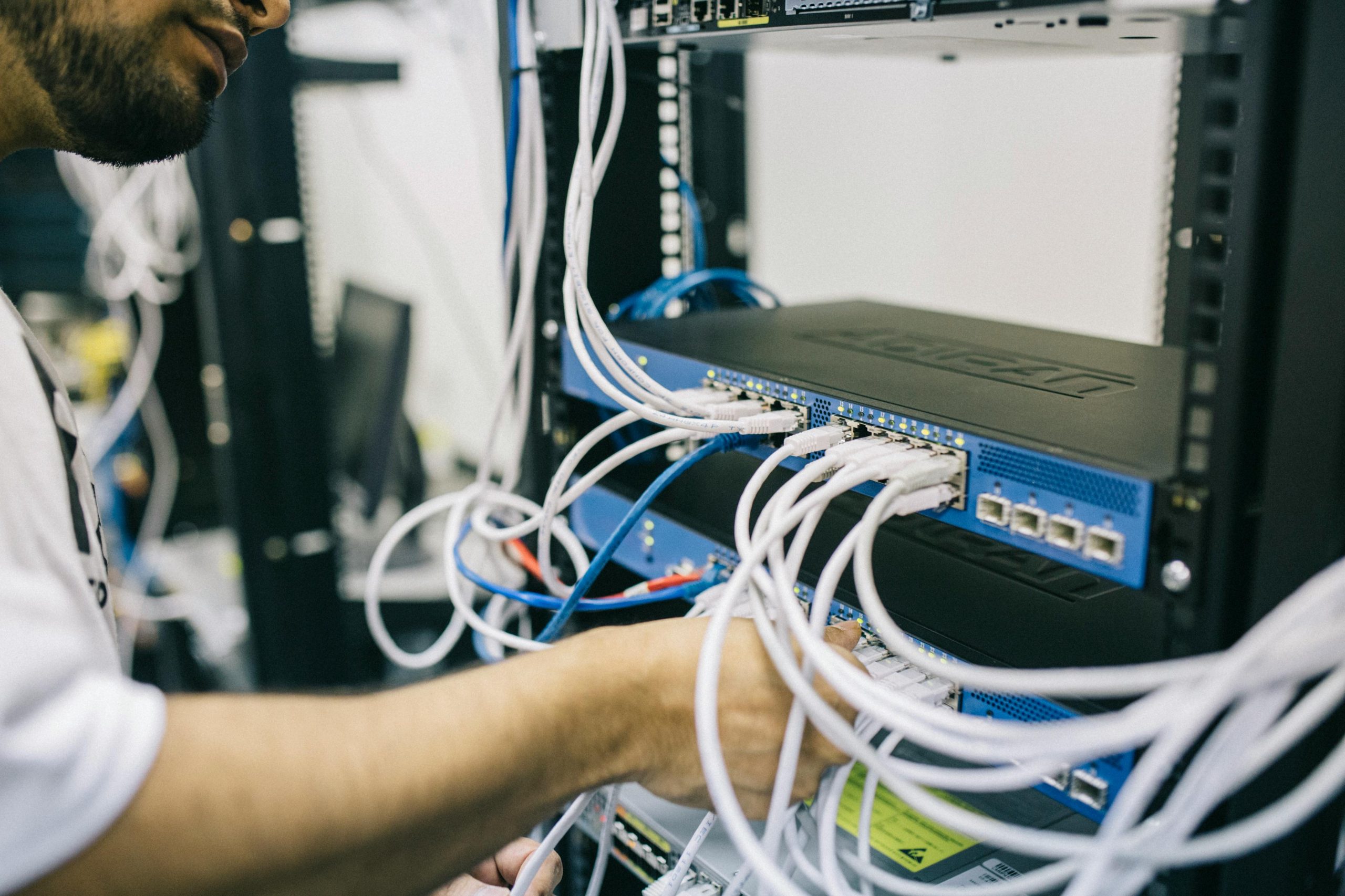
Networking involves various data encapsulation methods to ensure seamless communication across devices. Three commonly used terms—Ethernet frames, packets, and segments—are often confused. This article clarifies their differences, their relationship to...
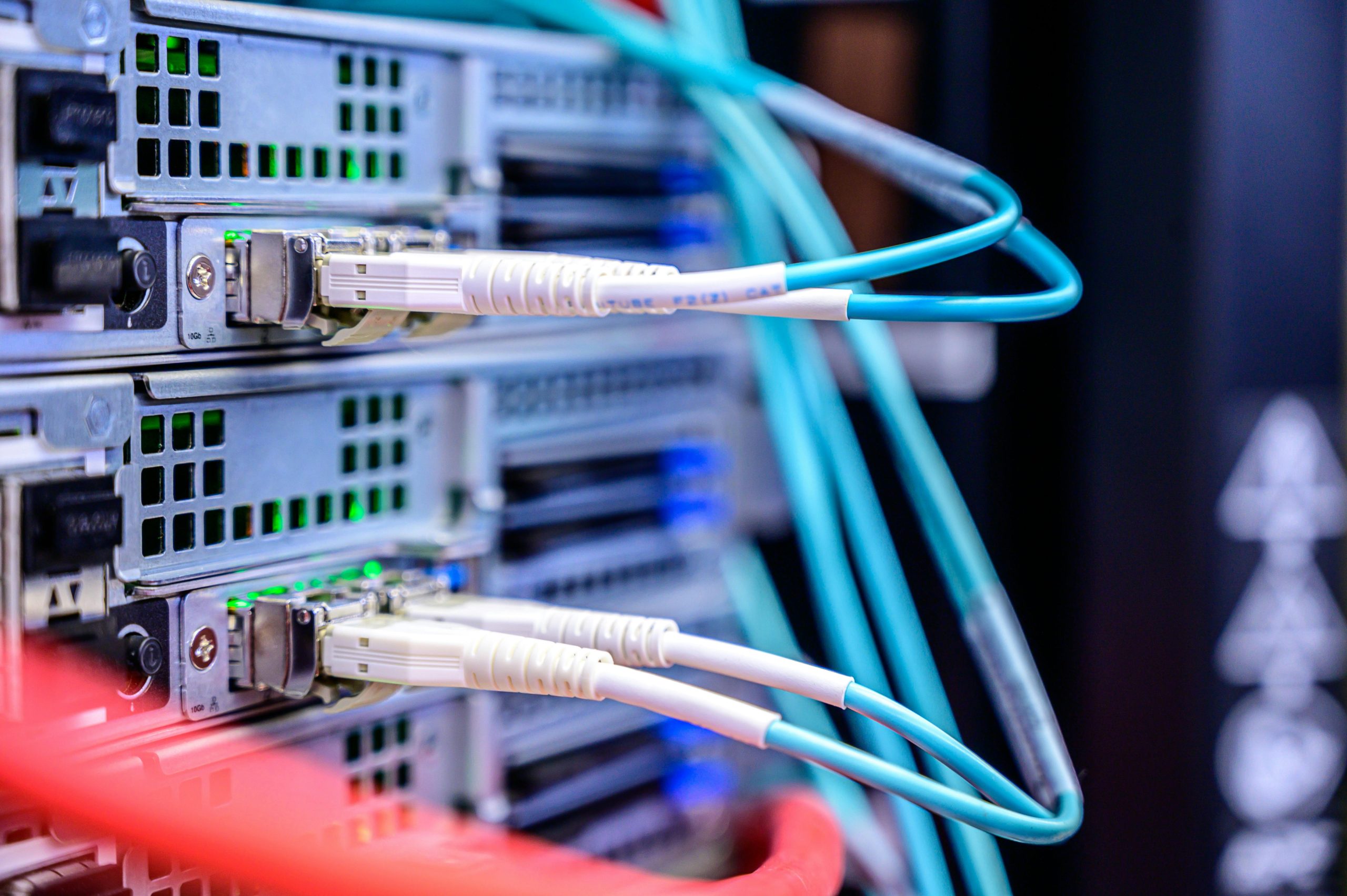
Ethernet networks are the backbone of modern communication, both in commercial IT and industrial environments. A crucial aspect of Ethernet networking is the frame size, which directly affects data transmission efficiency. This article explores standard...
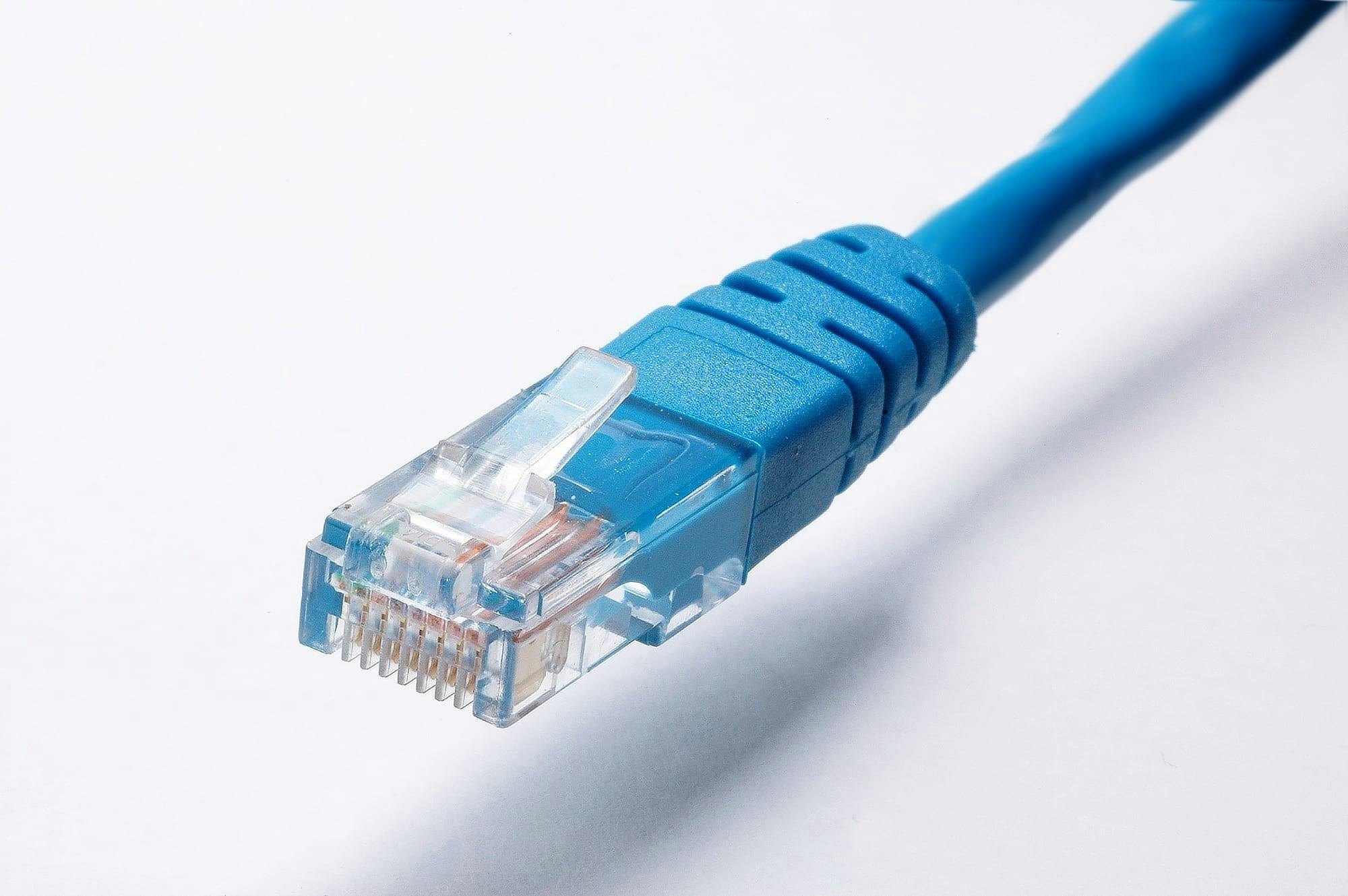
Ethernet networks are the backbone of modern communication systems, providing connectivity in enterprise, industrial, and home networks. Proper cabling and pin configurations play a crucial role in ensuring reliable data transmission. This article explains...

Quality of Service (QoS) is a set of technologies and mechanisms used to manage and prioritize network traffic to ensure efficient data transmission. In Ethernet networks, particularly in industrial control systems, QoS plays a critical role in maintaining...