





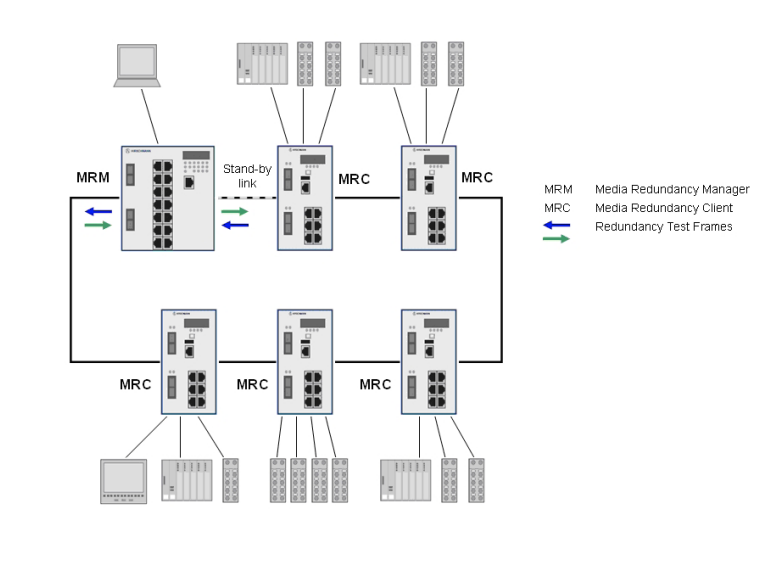
In industrial automation, network reliability is critical to ensuring uninterrupted operations. Redundancy ring protocols provide fault tolerance by enabling fast recovery from network failures, minimizing downtime in industrial Ethernet networks.
This...
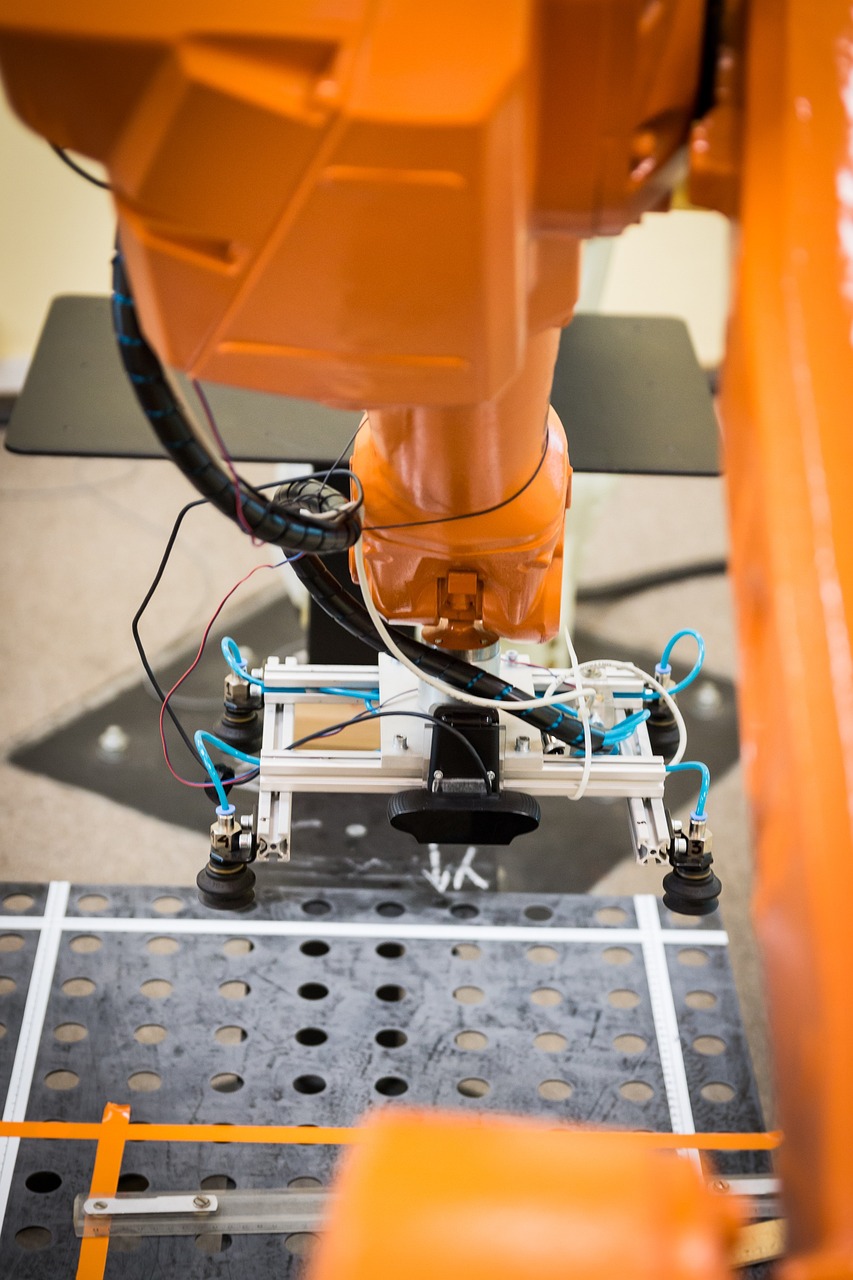
EtherNet/IP (Ethernet Industrial Protocol) is a widely used industrial communication protocol that operates over standard Ethernet networks. Developed by Rockwell Automation and maintained by ODVA (Open DeviceNet Vendors Association), EtherNet/IP enables...
Introduction
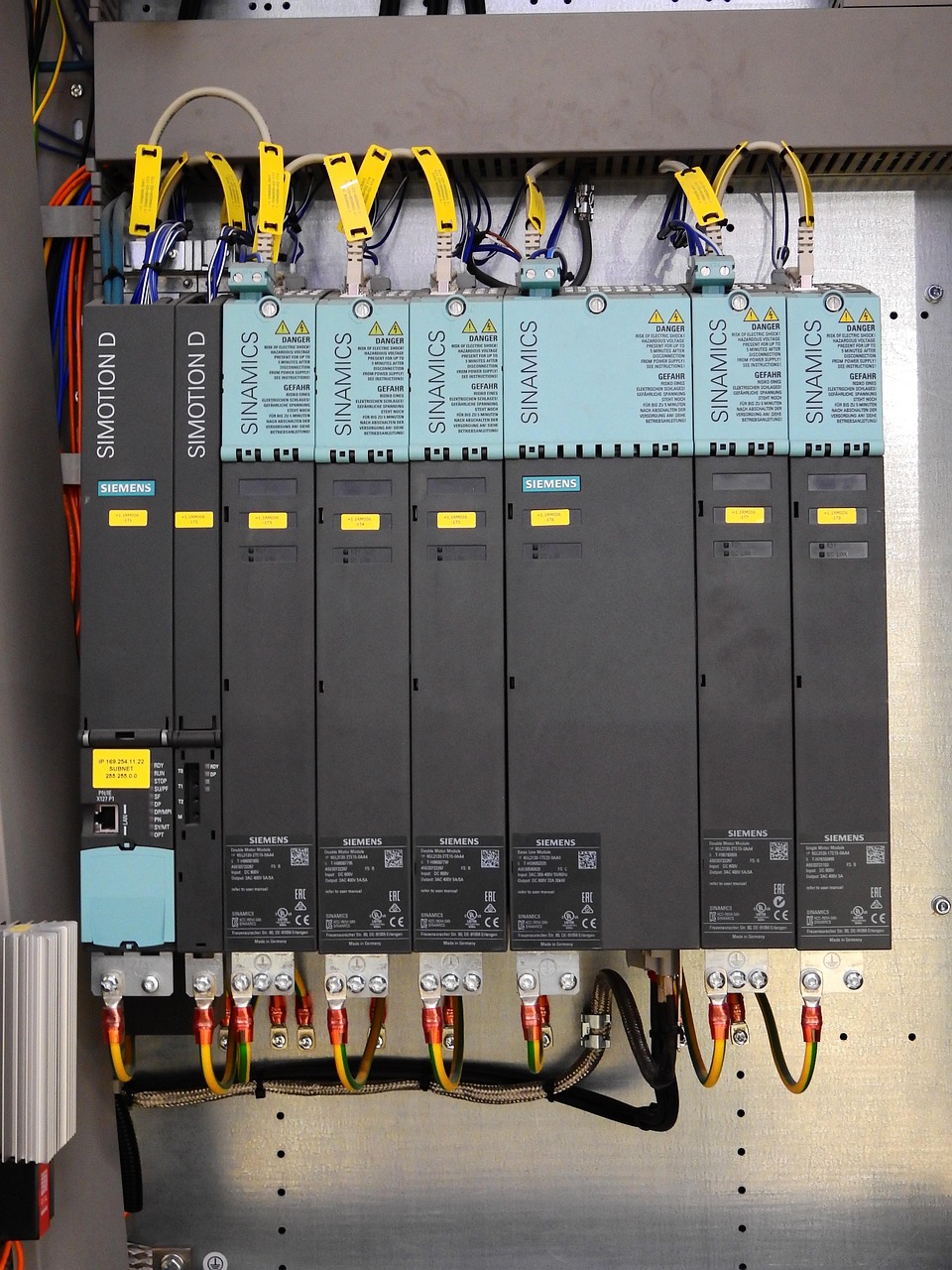
PROFINET and PROFIBUS are two of the most widely used industrial communication protocols, developed by Siemens and standardized by PROFIBUS & PROFINET International (PI). These protocols are fundamental in industrial automation, connecting...
Modbus is one of the most widely used industrial communication protocols, originally developed in 1979 by Modicon (now Schneider Electric) for programmable logic controllers (PLCs). It is a simple, open, and robust protocol designed for real-time communication...
Message Queuing Telemetry Transport (MQTT) is a lightweight, publish-subscribe messaging protocol designed for low-bandwidth, high-latency, and unreliable networks. Originally developed by IBM in 1999, MQTT has gained widespread adoption in Industrial...

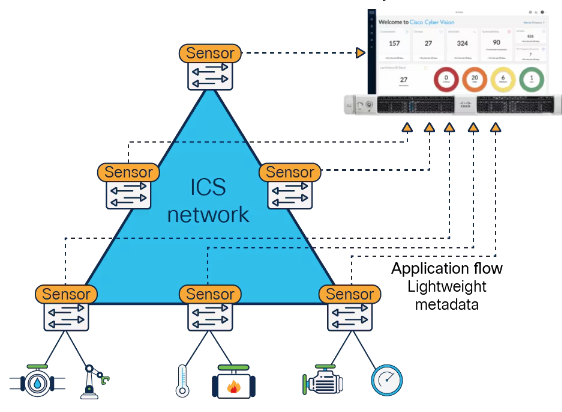
Industrial control systems (ICS) rely on various communication protocols to ensure seamless data exchange between sensors, controllers, actuators, and supervisory systems. However, due to the vast number of proprietary and standardized protocols used...

Industrial control systems (ICS) rely on various communication protocols to connect sensors, controllers, actuators, and supervisory systems. These protocols enable real-time data exchange, process automation, and efficient industrial operations. Below...
Introduction
Many industrial and embedded systems still rely on legacy devices that communicate using serial protocols like RS-232 and RS-485. While these devices were designed for direct, point-to-point communication, modern networks have shifted towards...
RS-485 (Recommended Standard 485) is a multi-point, differential serial communication standard designed for robust, long-distance, and noise-resistant data transmission. It is widely used in industrial automation, building management systems (BMS), SCADA...